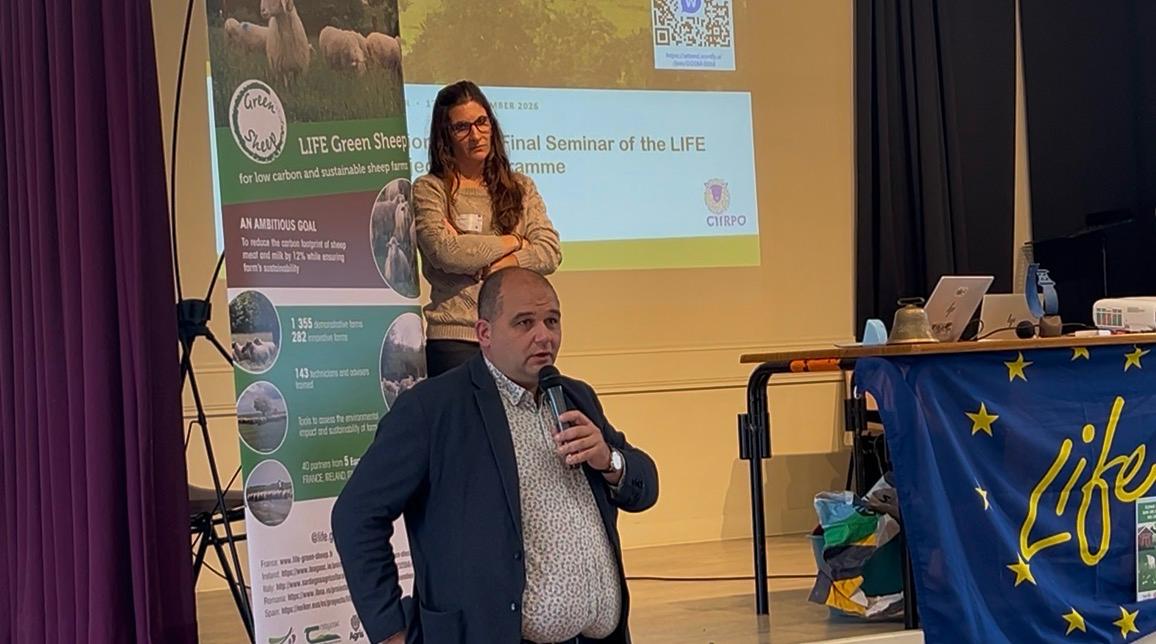
The European LIFE Green Sheep project has met its target: the net carbon footprint of participating farms fell by 28.7% on dairy sheep farms and 12.4% on meat sheep farms. Its final seminar brought together farmers, advisors, researchers, teachers...
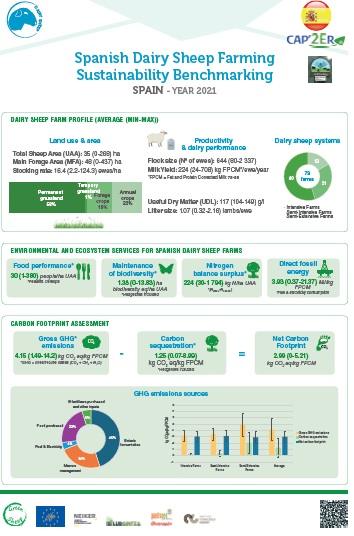
For its final seminar, the project has published sustainability benchmarking posters for its five partner countries: France, Ireland, Italy, Romania and Spain. Together, these posters summarise the results of the national observatories built from the environmental assessments carried out...
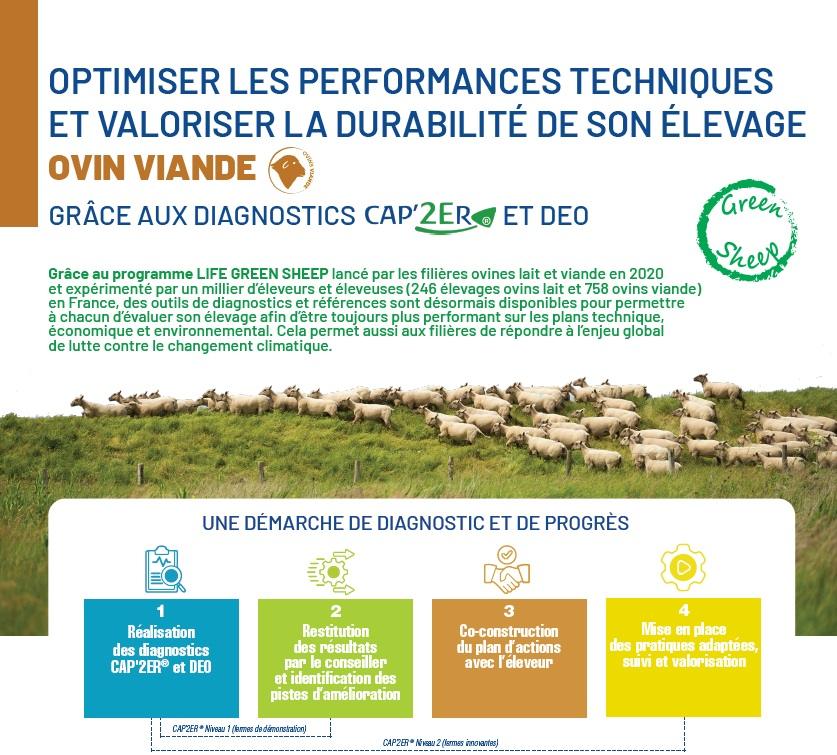
[RESULTS] French sheep farms: CAP’2ER® and DEO diagnostics to improve performance and sustainability
In France, around a thousand sheep farmers took part in LIFE Green Sheep: 758 meat sheep farms and 246 dairy sheep farms. Their results are now available in two information sheets, one for meat and one for dairy sheep,...
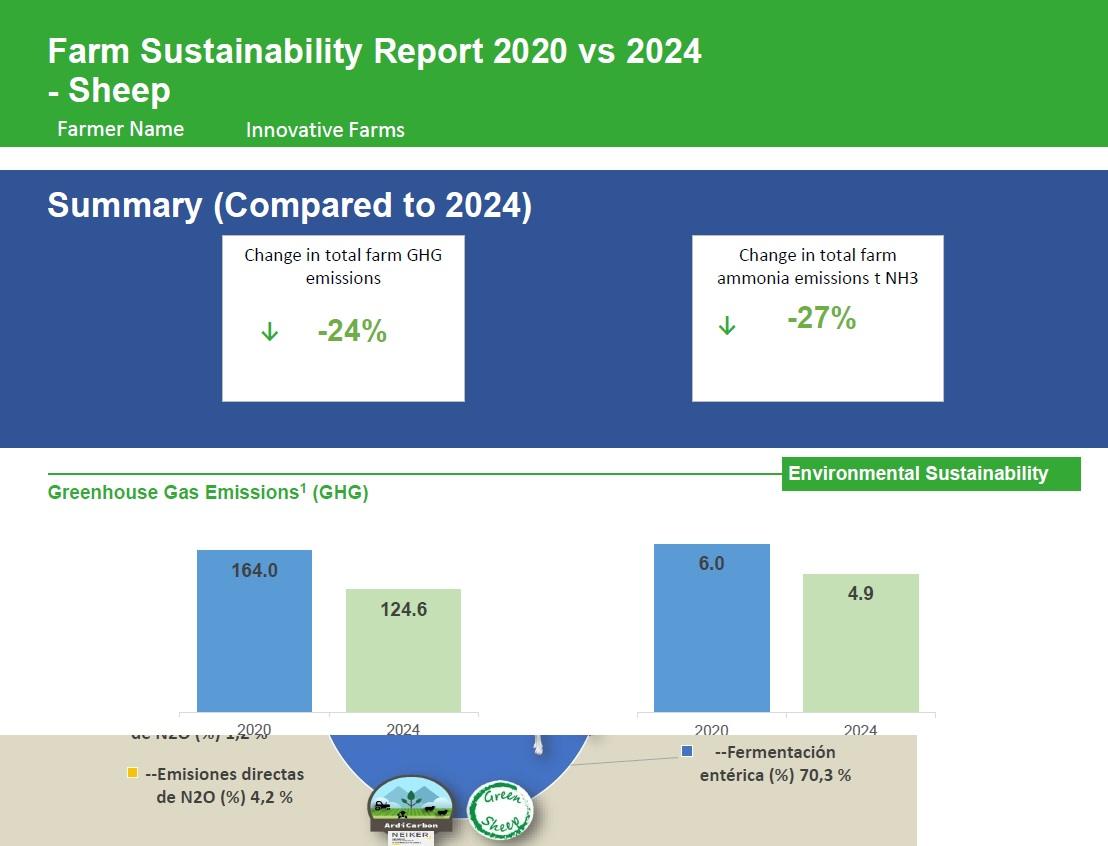
Can sheep farms reduce their emissions while improving their income? In Ireland, the farm sustainability reports produced within LIFE Green Sheep compare results in 2020 and 2024 for three groups of farms: hill demonstration farms, lowland demonstration farms and...
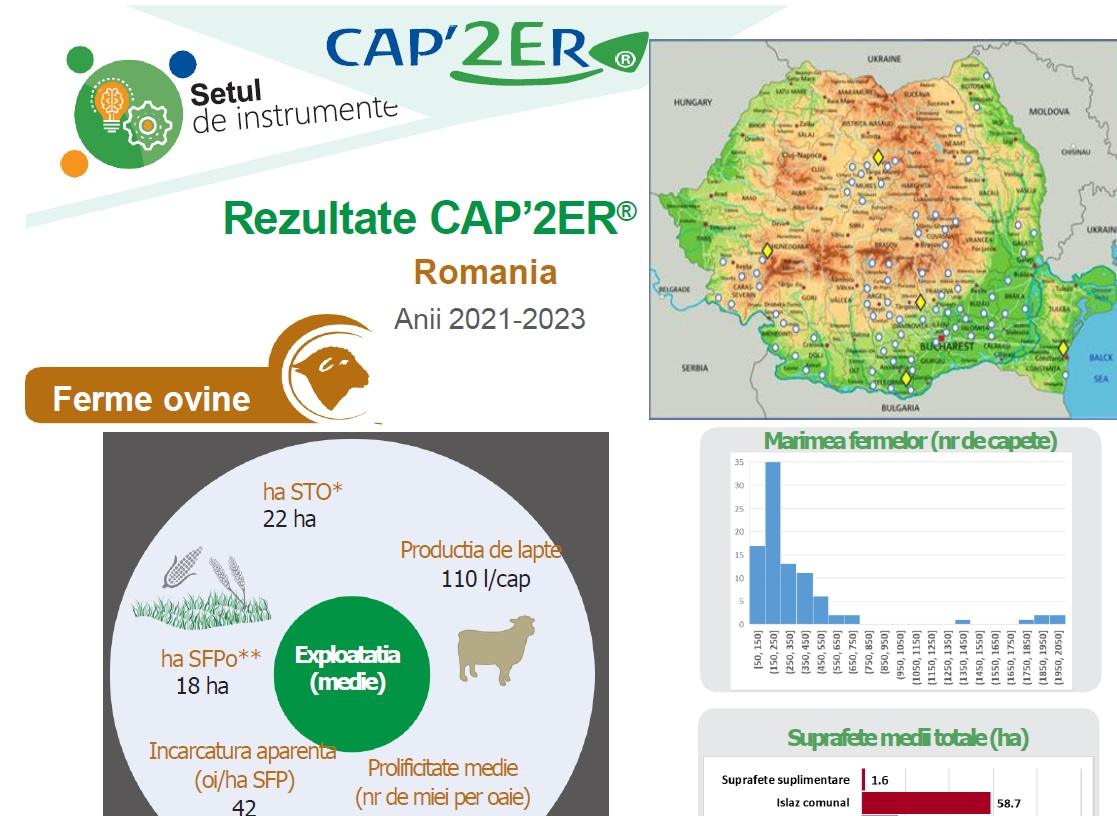
What is the carbon footprint of a Romanian sheep farm, and where are the levers for improvement? To answer these questions, LIFE Green Sheep partners have published a CAP’2ER® reference sheet based on the environmental assessment of 92 sheep...
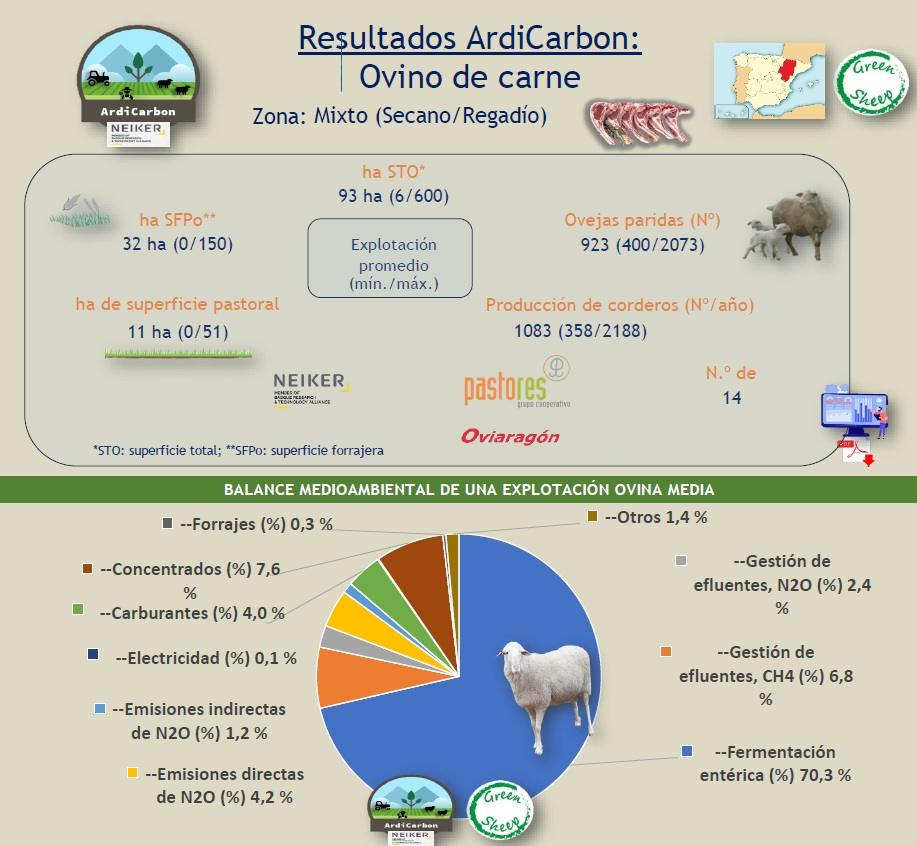
How can sheep farmers improve their technical, economic and environmental efficiency at the same time? In Spain, LIFE Green Sheep partners have published a set of documents presenting the results of ArdiCarbon environmental assessments carried out on meat sheep...