

18-19 martie 2026 | Montpellier, Occitanie & Aveyron
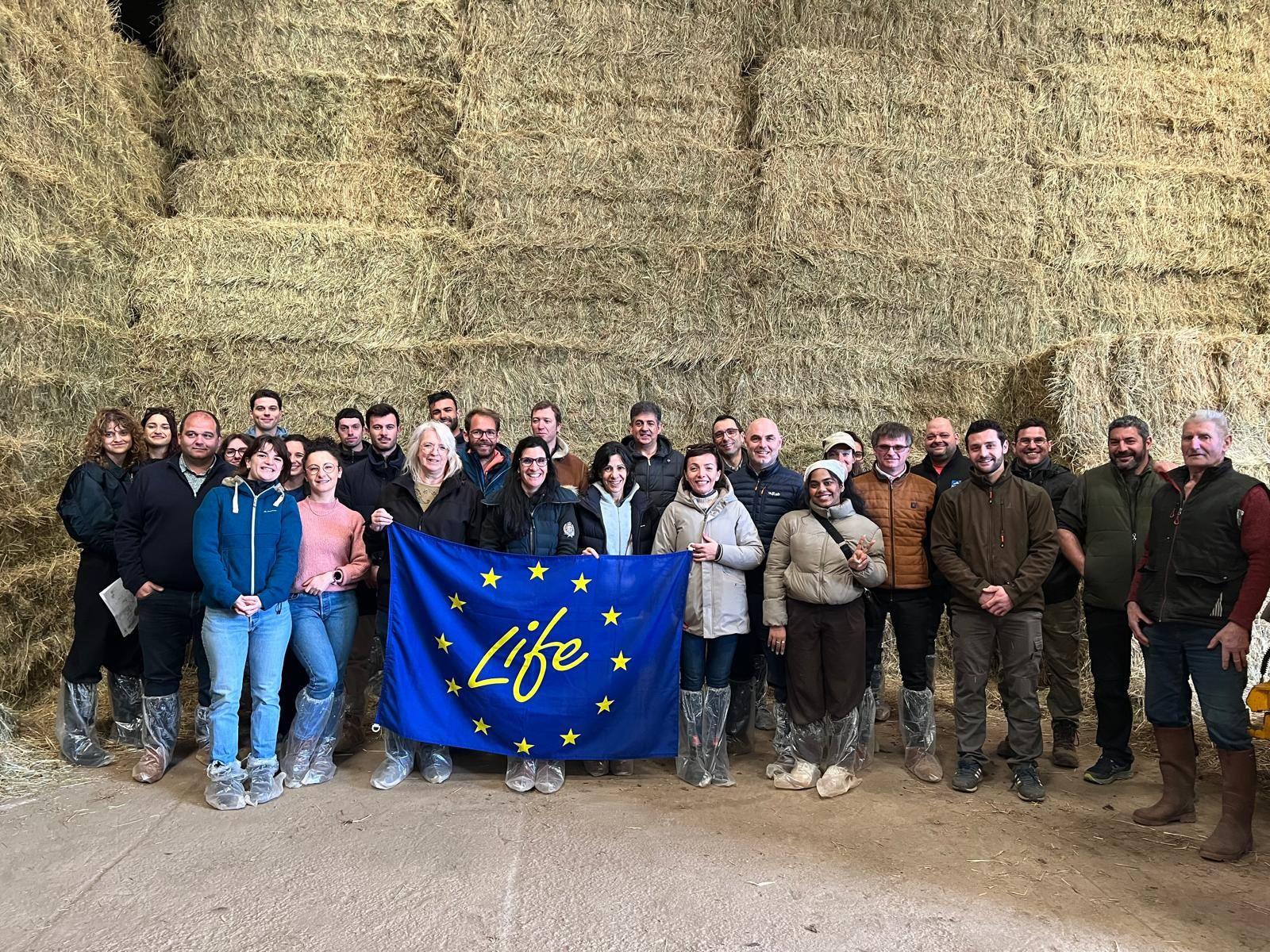
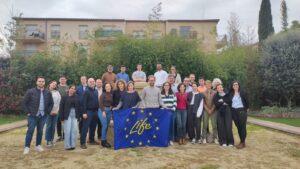
Pe 18 și 19 martie 2026, Franța a găzduit un Comitet Director European al proiectului LIFE Green Sheep, reunind delegații din Franța, Spania, Irlanda și Italia.
Această întâlnire de două zile a combinat discuții strategice, schimburi științifice și vizite pe teren, ilustrând legătura puternică a proiectului între cercetare, activitatea de consultanță și realitatea din fermă.
Ziua 1 – Discuții strategice în Montpellier (18 martie)
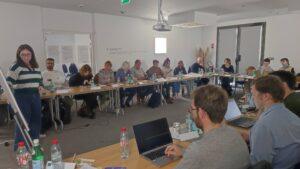
Prima zi a avut loc în Montpellier și s-a concentrat pe faza finală a proiectului LIFE Green Sheep.
Discuțiile au abordat:
- Planurile naționale de acțiune pentru carbon și pregătirea fazei post-proiect,
- Prezentarea primelor rezultate europene de mediu, identificând principalii factori ai emisiilor de gaze cu efect de seră (GES) în sistemele de creștere a ovinelor,
- Progresul celui de-al doilea val de evaluări ale fermelor, cu obiectivul de a compara ambele evaluări și de a estima emisiile de CO₂ evitate,
- Rezultate preliminare ale planurilor de acțiune pentru carbon (simulări), evidențiind practicile de atenuare legate de:
- gestionarea efectivelor,
- gestionarea furajelor și a pășunilor,
- utilizarea energiei,
- gestionarea gunoiului de grajd,
- Acțiunile de comunicare și diseminare în curs, inclusiv pregătirea seminarului final LIFE Green Sheep.
Această zi a confirmat importanța combinării performanței de mediu cu eficiența economică și tehnică, precum și a oferirii de soluții practice, bazate pe sistem, consultanților și fermierilor.
Ziua 2 – Vizite pe teren în Occitanie și Aveyron (19 martie)
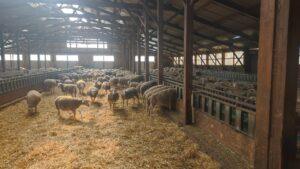
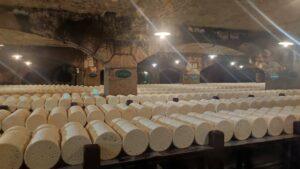
A doua zi a fost dedicată vizitelor în fermă, oferind participanților o viziune concretă asupra rezultatelor proiectului în condiții reale de agricultură.
Creșterea ovinelor pentru carne – platoul Larzac
Dimineața, participanții au vizitat GAEC du Moulin du Tironant din Roqueredonde (Hérault), o fermă de ovine pentru carne gestionată de familia Albaniac.
Cel mai tânăr asociat a prezentat:
- organizarea fermei,
- performanțele tehnice,
- și evoluția evaluărilor de mediu efectuate în 2021 și 2024.
Vizita a continuat, evidențiind strategiile de gestionare a efectivelor axate pe:
- reducerea mortalității mieilor,
- îmbunătățirea fertilității și a productivității.
Vizita s-a încheiat într-o atmosferă prietenoasă, savurând o cafea și o fouace de Aveyron tradițională, ilustrând puternica dimensiune umană a proiectului.
Creșterea ovinelor pentru lapte & zona Roquefort
După-amiaza a continuat cu vizita unei ferme de ovine pentru lapte, axată pe:
- calitatea furajelor,
- gestionarea pășunilor,
- și eficiența generală a sistemului.
Participanții au vizitat, de asemenea, cramele Roquefort, descoperind know-how-ul tradițional din spatele acestei brânze emblematice și legătura sa strânsă cu sistemele durabile de creștere a ovinelor.
Acest Comitet Director a subliniat încă o dată că creșterea durabilă a ovinelor se bazează pe:
- performanță tehnică solidă,
- viabilitate economică,
- și rezultate de mediu măsurabile.